
Technical and outdoor bags

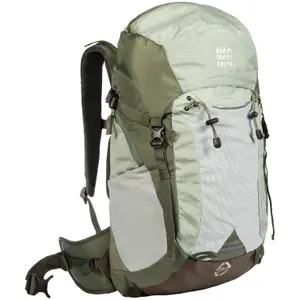


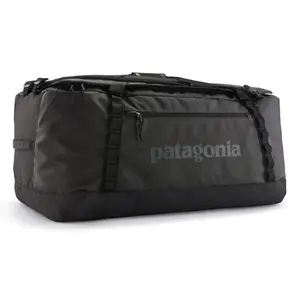
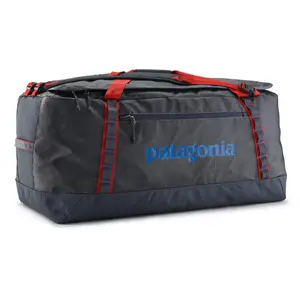

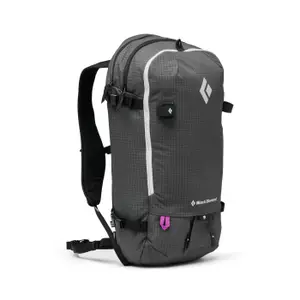
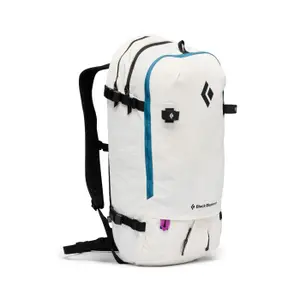
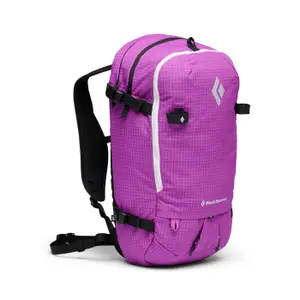
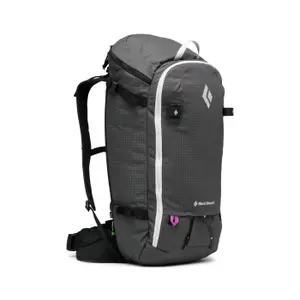
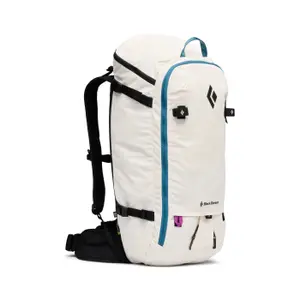


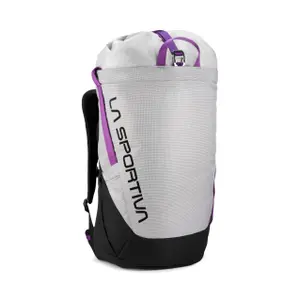
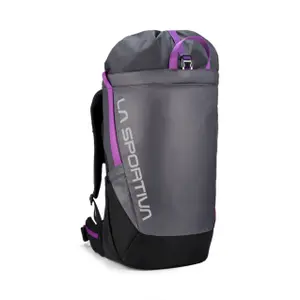
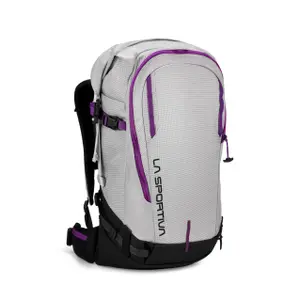
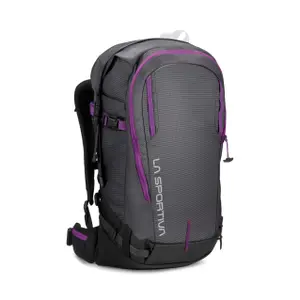
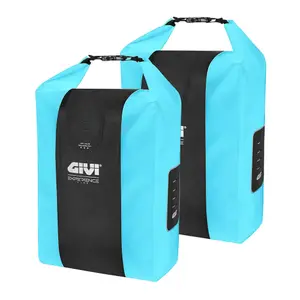


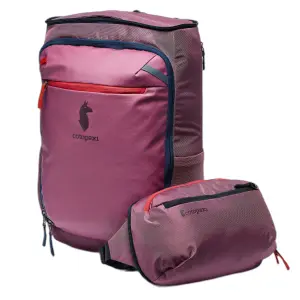


Bike bags, hiking backpacks and trek bags, trail vests, ski covers and shoe bags: from 10 litres for daily commutes to 70 litres for full autonomy, sorted by activity, capacity and attachment.
To install a bag on a rack, open the hooks, place them on the tube, close until you hear a click, then push the bottom hook against the upright. Next, lift the bike a few centimetres and let it drop: if the bag doesn't move and doesn't scrape the wheel, the attachment is good.
Four families of technical bags for cycling, hiking, trail and skiing
Our selection brings together four areas that the market usually treats separately. On a bike, the load is carried on the frame rather than on the back; in hiking, everything depends on the volume and the adjustment of the back. In trail running, the vest fits snugly to the torso to hold flasks without bouncing; for skiing, the bag protects the equipment more than it carries gear. Comparing here the technical and outdoor bags avoids choosing a volume of trek for everyday use.
- Cycling: frame bags, handlebar bags, saddle bags, and rack bags, along with the backpack models for commuting
- Hiking and trek: framed bags, from day trips to fully autonomous trek bags
- Mountain and trail: hydration vests, flask belts, and climbing models
- Ski: ski bags, shoe bags, helmet covers
Bags and covers for skiing and its shoes
Skiing is largely absent from outdoor bag pages, even though demand comes back every winter. A ski bag is chosen based on the length of your skis with bindings attached, padded if it is going in the hold. Ski shoe bags should have a ventilated compartment, as a wet closed liner can become smelly quickly, and the backpack ski carriers are useful when access is made on foot.
Choosing the capacity of your outdoor bag based on trip duration
Capacity is considered in terms of trip duration, never size. Expect 10 to 20 litres for a daily commute or a day trip, 30 to 50 litres for two to four days, and 60 to 110 litres for a fully autonomous trek bag, tent and sleeping gear included. On a bike, a pair of rear panniers offers 30 to 40 litres, enough for a weekend of cycle touring. A second measure that almost no one displays is the empty weight, which you feel at every step at the end of the day.
Bicycle bags for frame, handlebar, saddle and rack
Each location has its use. The handlebar bag remains accessible while riding and holds the essentials for daily use. The frame bag fits into the free triangle and lowers the centre of gravity. The saddle bag is suitable for gravel and mountain biking, which often have no mounts for a rack. Rack bags carry the largest volume and lock with the audible click of the hooks. This is the heart of bicycle luggage. Finally, look at the convertibles, which switch from pannier to a backpack in one move, once the bike is parked.
Waterproofness, attachments and carrying of a technical bag
Waterproof doesn't mean much unless the construction is specified. A coated tarp closed with a welded roll-top keeps the contents dry in continuous rain; a nylon treated with DWR water repellent can handle a short shower but will absorb water. Rinsing with clear water is enough, as the washing machine damages the welded seams. On the attachment side, the QuickLock hooks from Ortlieb, the QMR from Vaude that locks with a padlock, and the KLICKfix adapters vary in speed and security, while bikepacking often relies on Velcro straps. At the back, adjust the waist belt first: it carries up to 70% of the weight, followed by the shoulder straps and then the load lifters.
Ortlieb, Vaude and Osprey, our brands of outdoor bags
The Ortlieb bags are the reference for waterproofing, with a PU coating without PVC and patented attachments. The Vaude models focus on eco-design and a lockable attachment. The Basil bags cater to city bikes and racks, while the Evoc bags are for MTB and enduro, when backpacks from Osprey and Lowe Alpine target long-distance carrying. Our technical and outdoor bags bring these families together for comparison, at equal capacity, of what a different attachment or material can change.
Our category of Technical and Outdoor Bags in detail
- Hiking and trek
- Cycling
- Mountain and trail
- Top Brands