
Hard, soft and large suitcases


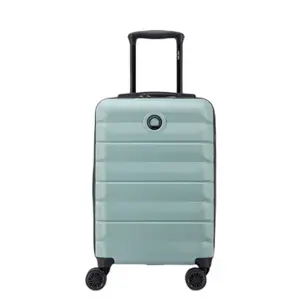
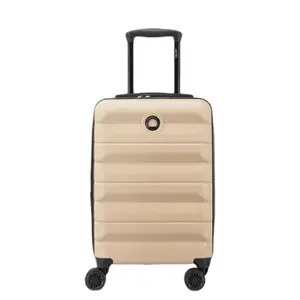
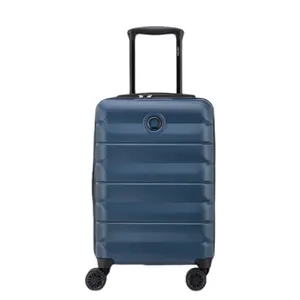


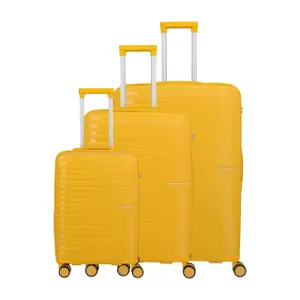


Suitcases from 55 cm that fit in the cabin to larger sizes of 75 cm intended for the hold, in hard shell or soft fabric. American Tourister, Eastpak, travelite, Mandarina Duck: height, capacity, and empty weight on each sheet.
A 55 cm suitcase fits the most common cabin size and is good for two to three days of travel. A suitcase between 65 and 70 cm lasts for a week. Beyond 75 cm, it goes in the hold, where the baggage allowance, often 20 or 23 kg, is noted on your ticket.
Choosing the size of your suitcase, from cabin to hold
The key measurement is the total height, including wheels: that's what you compare to the size limit set by the airline. Three categories cover almost all departures.
- 55 cm: cabin size, two to three days, a bag that stays with you.
- 65 to 70 cm: one week for two, the size that often travels alone.
- 75 to 80 cm: large trips, family holidays, check-in in the hold.
The size 55 x 40 x 20 cm and airline tolerances by airline aren’t covered here: they are in our cabin luggage category, which compares accepted sizes. On this page, our suitcases are sorted by height, material, and number of wheels.
Hard or soft suitcases: shell, weight, pockets
A hard shell made of polycarbonate or ABS protects breakable items, closes flat, and wipes clean with a damp sponge, but it doesn’t forgive overstuffing. Soft suitcases made of fabric can be compressed, add external pockets for laptops and documents, and can be stored flat between trips. The shell is for fragile items and air travel, the fabric for the road and train: that’s where the split happens, not on the price.
Large suitcases and empty weight, calculating hold baggage
In the hold, every kilo of suitcase is a kilo less for your belongings. The empty weight, shown in kilos on the product sheet, is deducted from your allowance: what remains is what you can really carry. Large suitcases of 75 to 80 cm should be chosen based on this figure as well as their volume, and lightweight suitcases make sense as soon as the hold allowance is counted by the kilo. An overstuffed large suitcase ends up at the check-in counter, needing to pay for excess baggage. Models designed for check-in are grouped in hold luggage.
Suitcase brands: American Tourister, Eastpak, travelite
We don’t sell all the brands on the market, and let’s be clear: our brand selection includes suitcases American Tourister, suitcases travelite, suitcases Eastpak and suitcases Mandarina Duck. To choose between two of them, three criteria are enough: the material of the shell, the displayed empty weight, and the number of wheels. The current reduced prices are compiled in our promotions, and the four-wheel models are in our wheeled suitcases.
TSA lock, wheels and repair of soft suitcases
A TSA lock is recognized by its red diamond: US customs can open it with their key instead of forcing the shell. The code is set with the suitcase open, using the factory combination provided in the manual, by holding the adjustment button while displaying the three digits. Lost code, broken padlock: the manufacturer remains the only point of contact for an integrated lock, while a TSA padlock can be replaced in a minute. The real point of breakage is elsewhere, on the wheels and the telescopic handle: ask if the wheels are screwed or riveted, and if the brand supplies spare parts. A suitcase with a replaceable wheel doesn’t end up in the bin over a wheel.
The final decision weighs the hard shell against soft suitcases: the fabric accommodates overfilling and fits in a low cupboard, while the hard shell protects fragile items better but won’t forgive overloading. For large hold suitcases, the difference in empty weight translates into useful kilos, and lightweight suitcases regain the advantage as soon as the airline charges by the kilo.