
Bike frame bags
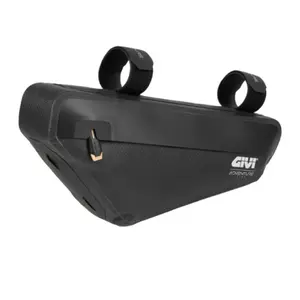
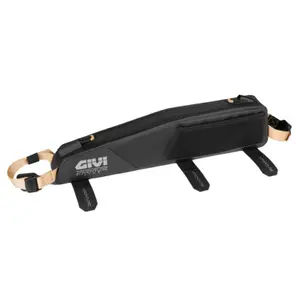


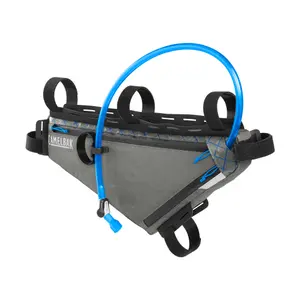


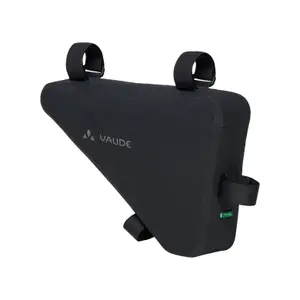


Strapped in the triangle or placed behind the stem, the frame bag keeps the weight low and centred. Cereal bars, battery, keys and phone remain accessible while riding, without carrying anything on your back.
A frame bag straps to the front triangle of the bike or on the top tube, behind the stem. It positions the load low and centred, where it disturbs balance the least, and keeps essentials within reach while riding: snacks, phone, lamp battery, multi-tools.
Frame bag in full triangle or half-frame
The half-frame version occupies the top of the triangle and leaves room for bottle carriers; it’s the most common compromise. The full triangle doubles the volume but requires moving bottles to the fork or under the saddle. The shape entirely depends on the frame size and the shape of the diagonal tube; two bikes from the same brand may not accept the same model. Measure the three sides of the triangle before choosing. On a road bike frame bag, thickness matters as much as volume, a wide bag rubs against the inside of the thighs.
Frame bag for smartphone and snacks while riding
Small models placed behind the stem meet a specific need: to open with one hand without leaving the saddle. A bike frame bag for smartphones adds a touchscreen window or a dedicated pocket, with two known drawbacks, the sensitivity of the screen through the film and heating in direct sunlight. A bike frame bag for snacks is judged, it, by the magnetic opening that closes on its own and the firmness of the edge when the pocket is empty.
Friction, cables, and bottles around a frame bag
Three nuisances keep coming up. Tight velcro straps quickly mark matte paint, a protective film placed underneath solves the issue. The cables that run under the top tube create a bump that prevents the bag from sitting flat, and a bike frame bag poorly aligned rubs against the thigh with every pedal stroke. A MTB frame bag adds the constraint of the rear shock, which takes up space in the triangle on a full-suspension bike, and should be measured with the shock compressed. Basil, Restrap, and Topeak share most of this format, with Zéfal adding to the smaller volumes.