
Hiking and trek bags

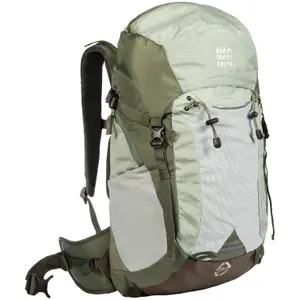


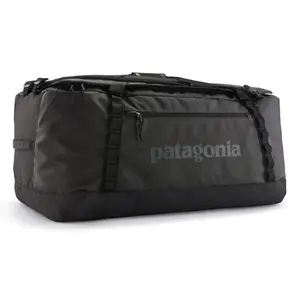
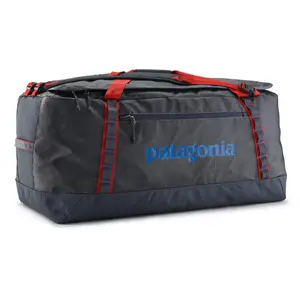
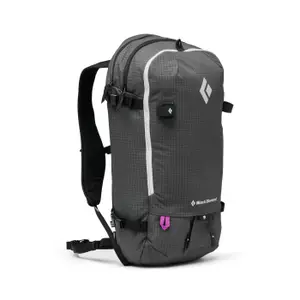
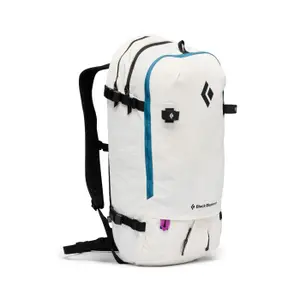
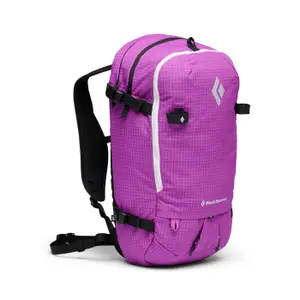
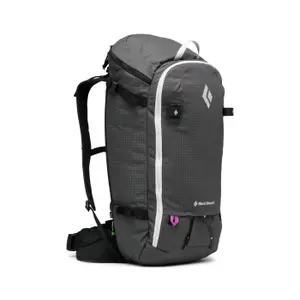
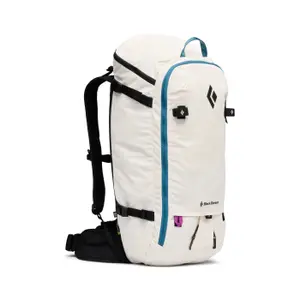


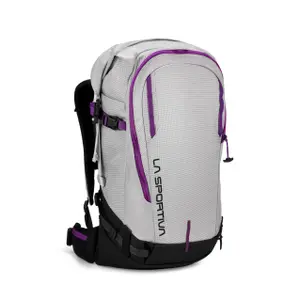
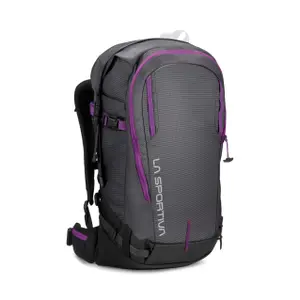


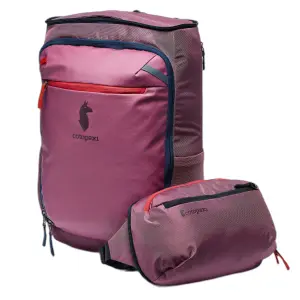


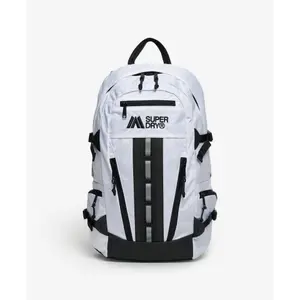
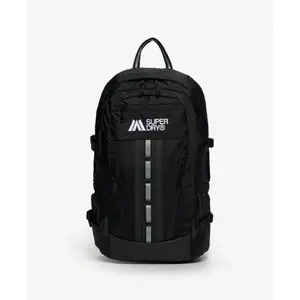


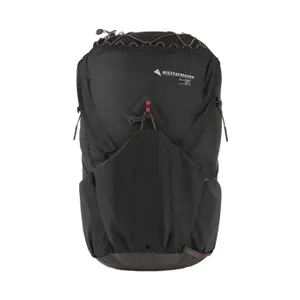
A hiking bag is chosen based on the fit before the volume: back length, hip belt, and strap adjustments determine comfort far more than the stated capacity.
On a a hiking backpack, the weight should rest on the hips and not on the shoulders. It’s the hip belt that does this transfer, and it only works if the back length of the bag matches yours. A badly carried volume tires you out more than a larger well-adjusted one.
The capacity of a hiking bag depending on the outing
The duration of the outing provides the usable volume.
- Day trip: twenty to thirty litres, water, windbreaker, and meals.
- Two to three days in a hut: forty litres.
- Trek with sleeping bag and stove: fifty to seventy litres.
Adjusting a trek bag before leaving
The adjustment is done in a precise order, with the bag loaded: hip belt first, at the top of the hips, then straps, then load lifters, and finally the chest strap. A hiking bag adjusted out of order transfers all the weight to the shoulders, and no adjustments can be made while walking.
Hiking bags and versatile outdoor models
Not all outdoor bags are hiking bags. A versatile model of twenty to thirty litres, without a rigid hip belt, is suitable for day hikes and can be used the rest of the year in town. Beyond forty litres, specialization becomes necessary, and the bag ceases to be versatile.
Our hiking and trek bags in detail
- Hiking backpacks
- Hiking bags
- Outdoor backpacks