
Outdoor backpacks


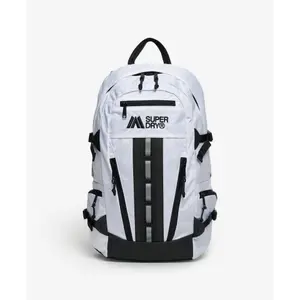
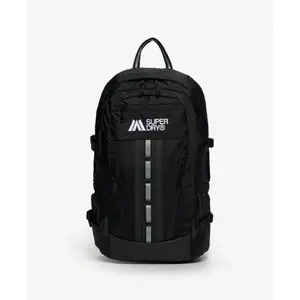


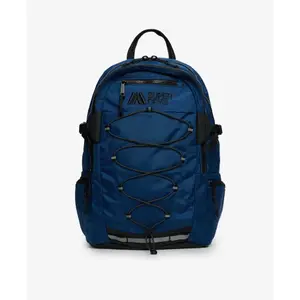
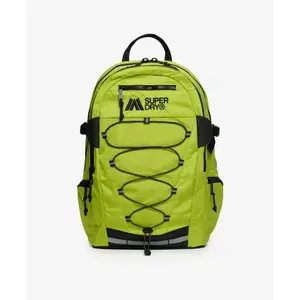


An outdoor backpack is used outside, on trails as well as for camping. Our category includes models with reinforced fabric, adjustable carrying systems and attachments for poles or ground mats, from day-size to multi-day volumes.
What sets an outdoor backpack apart from an urban bag
An urban bag carries a laptop between two trips. A backpack for outdoor use withstands rain, rubbing against rocks, and hours of heavy carrying. Three details separate them: a structured back that shifts weight to the hips, high durability fabrics in wear-prone areas, and external attachments. The zippers are wider, often sheltered by a flap, because a broken zipper halfway through doesn’t get fixed on the trail.
Choosing an outdoor backpack based on terrain
On marked trails, a ventilated back with a stretched mesh reduces sweat and is more than adequate. In technical terrain, a bag that sits close to the body is preferred, providing greater stability on slopes, even if it means sweating more. When cycling or on ski tours, stability is the priority: chest strap, thin belt, and compact shape. A versatile outdoor backpack exists, but it will never be the best of the three.
Materials, seams, and closures of a backpack
High-tenacity nylon is more abrasion-resistant than polyester at the same weight, and the bottoms are often reinforced for this reason. Check the seams of the straps and belt: these are the first to give way on a loaded backpack. A water-repellent treatment delays moisture but doesn’t make the bag waterproof; a cover is still necessary. Finally, a backpack should be hand-washed and never machine-washed: the drum can break off the back padding and damage the coatings.