
Hiking bags


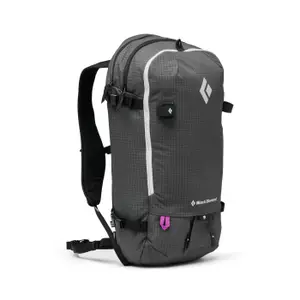
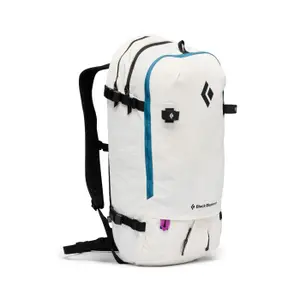
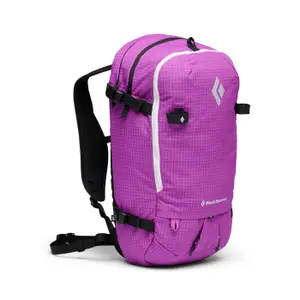
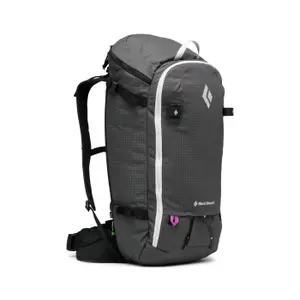
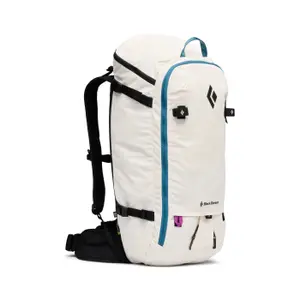
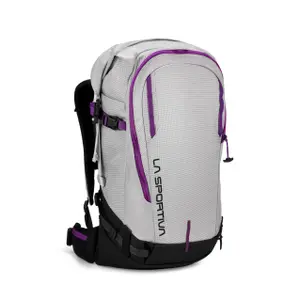
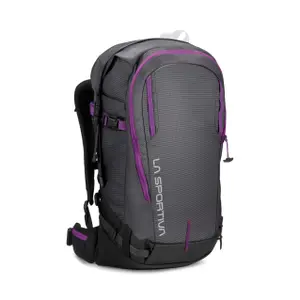


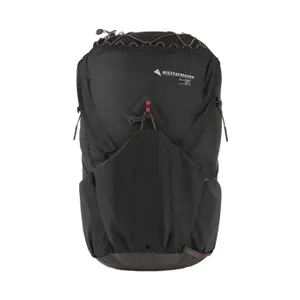
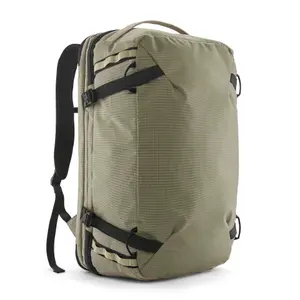
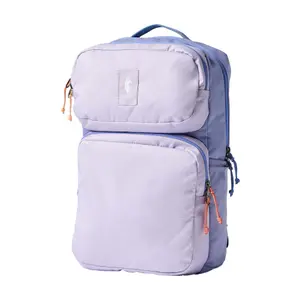
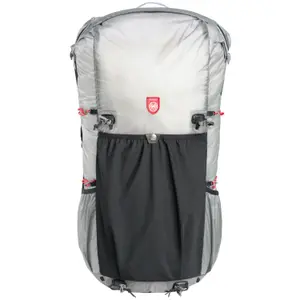


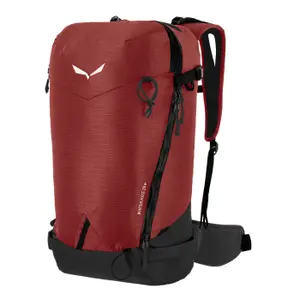
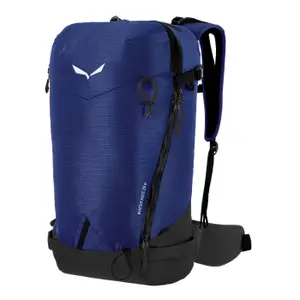

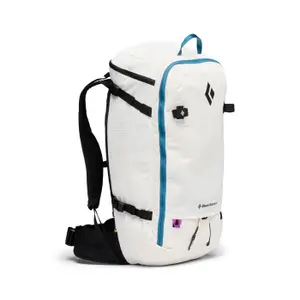
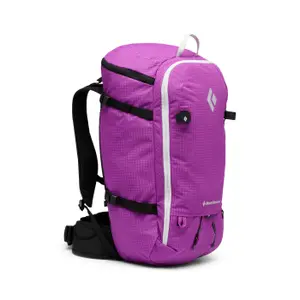
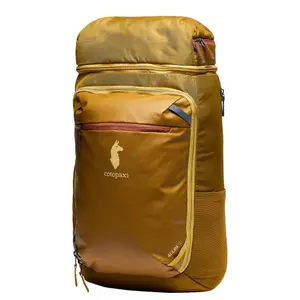
The backpack for hiking is measured in litres and is evaluated based on comfort when worn. Our category ranges from day packs to larger volumes for multi-day trips, with features like hip belts, ventilated backs, and rain covers for walking several days.
A hiking bag carries water, clothes, and sleeping gear for several hours of walking. You first choose it based on its capacity in litres, suited to the duration of the trip, then by how it fits: a waist belt resting on the hips, padded straps, and a ventilated back to limit sweating.
What size hiking bag for the duration
The longer the outing, the more the volume increases, as sleeping gear and food take up space. A day trip can be done with a small size, a weekend in a hut requires roughly double that, and a 50 L hiking bag starts to fit a tent, sleeping bag, and stove. Between the two, a 40L hiking bag is the most versatile compromise. Choose a hiking bag that you really fill, not one that needs to be weighted down to stay in place.
Waterproof hiking bag or rain cover
No fabric remains waterproof indefinitely: seams and closures eventually let water through. A waterproof hiking bag, made of coated fabric with a rolled closure, truly protects the contents but takes longer to open. The other option, the most common, pairs a rain cover with waterproof storage bags for the sleeping bag and dry clothes. Check that the cover fits into a dedicated pocket; otherwise, it will likely be forgotten at home.
Distributing the load in a trek bag
Heavy equipment should be placed against the back, at shoulder height: the load remains vertical and doesn't pull backwards. The sleeping bag goes at the bottom, while the day's items go into the top pocket. Then strap down the side compressions to secure the load, as a hiking bag that moves tires you more than a heavy, well-held bag. Weigh everything once it's loaded, before you set off: it's the only test that doesn't lie.