
Mountain and trail bags


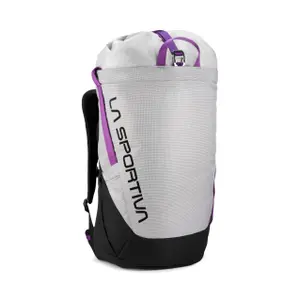
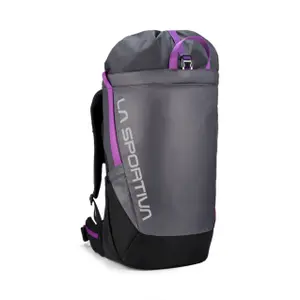


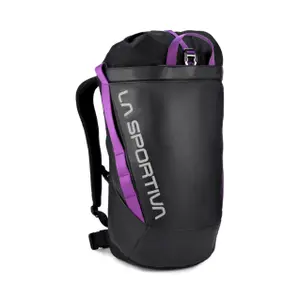
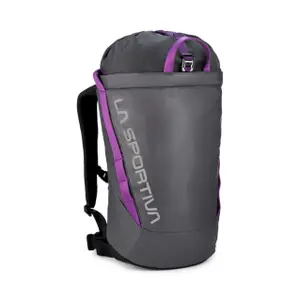


In the mountains and on trails, a bag is judged on its stability during use, not on its capacity. A bag that moves around causes fatigue and injuries, regardless of its size.
Mountain and trail bags have a constraint that others don’t: they need to stay still while the body moves a lot. This leads to smaller volumes, multiple straps, and a wide contact with the back.
Trail bags and support during exertion
A trail bag is worn like a vest, snug against the torso, with front pockets for accessing water and snacks without stopping. The volume rarely exceeds fifteen litres. The deciding factor is the size of the vest in relation to the chest circumference, not the capacity.
Hydration bags in trail and water management
A hydration bag contains a soft pocket and its tube, which avoids the need to take out a water bottle. Check that the pocket can be removed without emptying the bag, and that the opening allows for proper cleaning. A pocket that cannot be dried out becomes unusable in one season.
Ski bags and climbing bags, two specializations
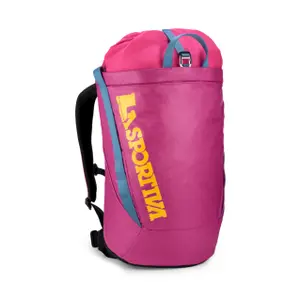
A ski bag carries skis diagonally or in an A position and has a separate and accessible compartment for a shovel and probe. A climbing bag opens widely to quickly get the rope and gear out, with a reinforced bottom that withstands contact with rock. These mountain bags do not replace each other.
Our mountain and trail bags in detail
- Ski backpacks
- Hydration bags
- Climbing bags
- Trail bags