
Trail bags
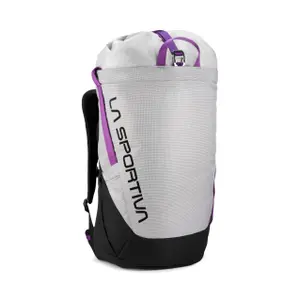
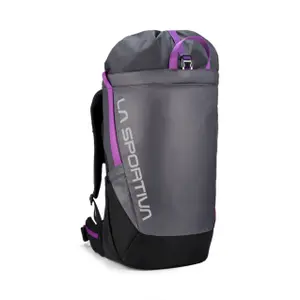
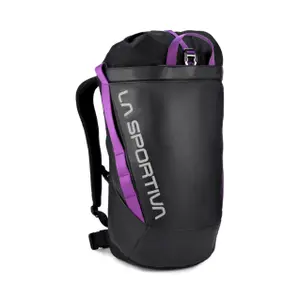
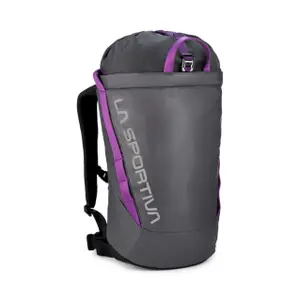
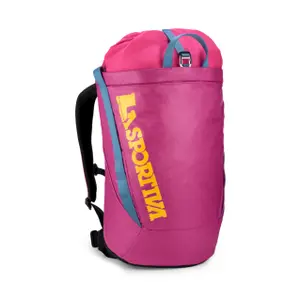




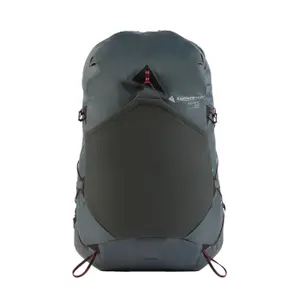
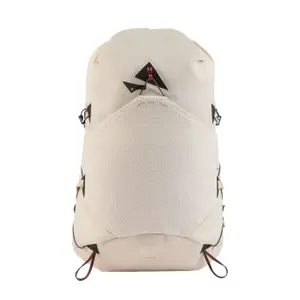
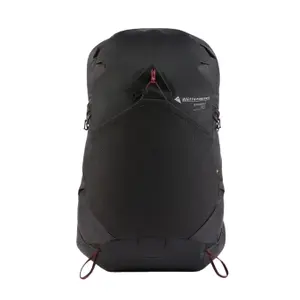
Body-hugging vest, front pockets for flasks, volume just enough for the jacket and the required gear at the start: our category brings together trail bags, from one-hour outings to the longest formats.
A trail pack is worn like clothing. It should stay close to your back, not bounce on descents, and allow access to water bottles without interrupting your stride. The volume is chosen based on the duration of the outing and the list of equipment required by the race organisers, not for storage comfort.
Vest or trail pack, two ways to carry your supplies
The vest hugs the torso, holds on more by its design than by its straps, and stores the essentials at the front, within easy reach. The classic backpack trail has a larger rear pocket, which is useful when jackets, gloves, and snacks start to pile up. In an ultra format, the trail pack shifts its approach, seeking pockets that are reachable while running and a larger water supply.
Required gear to fit in a trail pack
Most races require a specific list: waterproof jacket, emergency blanket, whistle, cup, and water reserve, as specified in the race regulations. These are the items that determine the volume, not the comfort of storage. The trail packs designed for competition position the jacket in a reachable rear pocket without having to take off the pack, and keep the front pockets for items that can be grabbed while running.
Adjustments and stability of a trail backpack on descents
Bouncing usually comes from a poorly distributed load or loose side straps. Load the heaviest items at the top and close to your back, tighten the belt before the shoulder straps, and then readjust the sternum once you start. A trail pack with a tightened sternum strap and curved shoulder straps addresses most friction points. The trail packs are evaluated on descents and climbs, never standing in an aisle.
- Accessible front pockets: bottles and bars can be grabbed without stopping.
- Elastic side straps: the adjustment that eliminates the bounce.
- Rear pocket for the jacket: to access without removing the pack.
- Tube passage: for a hydration bladder on long outings.
The best trail pack is not the lightest one but the one that stays put: it's the stability that matters, before the empty weight.