
Climbing bags


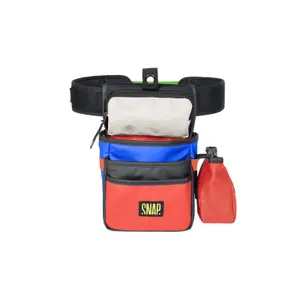


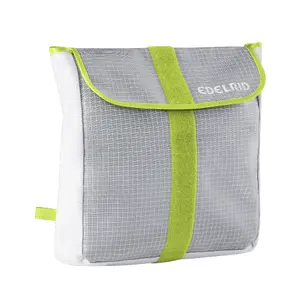
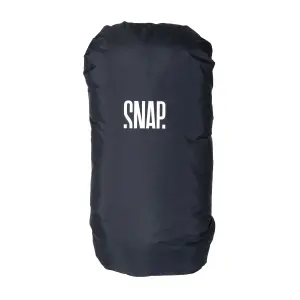

Flat-opening rope bag on a tarp, wide enough rucksack for a harness and quickdraws, chalk bag on a belt: our category covers bouldering gyms, crags and multi-pitch routes.
A climbing bag is chosen based on the terrain. In the gym and bouldering, a wide bag can fit shoes, harness and chalk bag without cramming anything. For outdoor climbing, the rope bag protects the rope from dirt thanks to its tarp. For multi-pitch climbing, a narrow and compressible bag is sought that doesn’t restrict movement.
The climbing backpack, from bouldering to multi-pitch
A climbing backpack opens wide, often with a full flap or a U-shaped zipper, to access the harness without emptying it at the base of the route. In the gym, volume is key; you need to fit in shoes, brushes, and chalk. For multi-pitch climbing, it’s the opposite, a narrow bag, without a rigid frame, that can be worn as a second without getting caught on the rock.
The climbing rope bag and its integrated tarp
The climbing rope bag opens flat on a tarp that keeps the rope isolated from dirt and sand, which is a primary cause of premature wear. Two straps mark the two ends, saving time at the belay and avoiding the end-of-day knot. This type of climbing bag can be carried as a backpack during the approach, with stowable straps included.
Chalk, shoes, and harness in the climbing bag
For indoor climbing, the chalk bag clips to the belt, and its bouldering version sits on the ground, being wider with a flat bottom. Store shoes in a separate and ventilated pocket, and lay the harness flat to avoid creasing the tie-in points. A climbing bag that’s well-compartmentalised prevents everything from spilling out at the foot of the route, which is important when the belay is tight.
- Integrated tarp: the rope never touches the ground.
- Full opening: access the harness without emptying the bag.
- Narrow and compressible back: for climbing second with the bag.
- Ventilated pocket: shoes don’t scent the rest of the gear.