
Backpacks by capacity
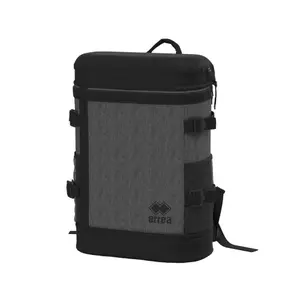
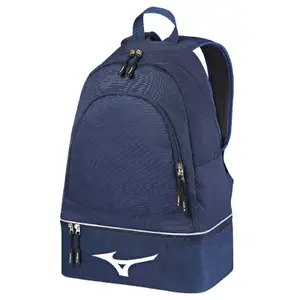
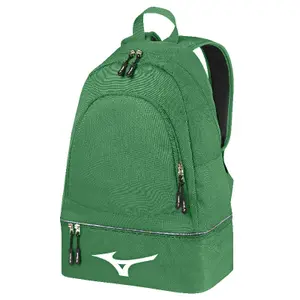
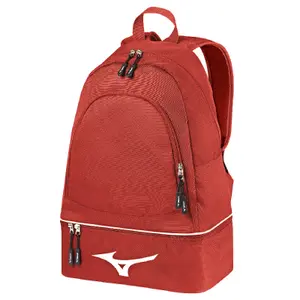
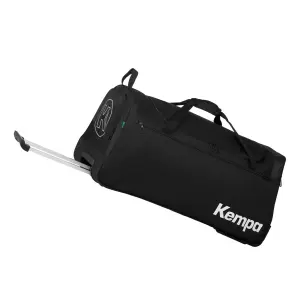


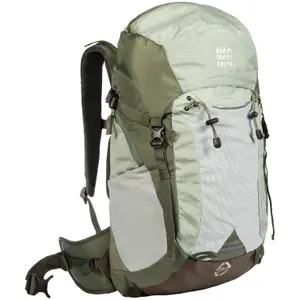
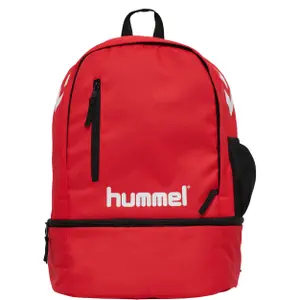
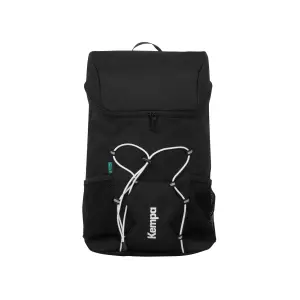


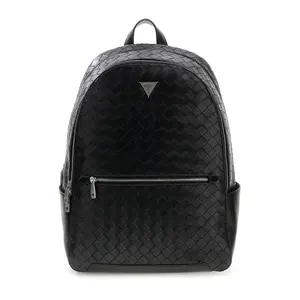


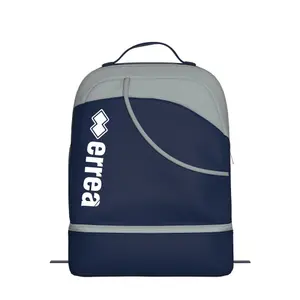




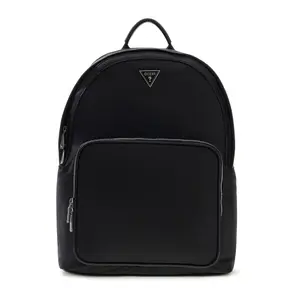
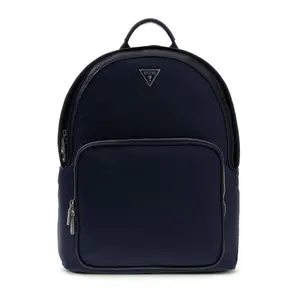

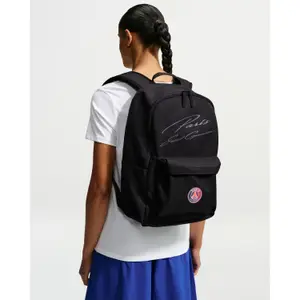
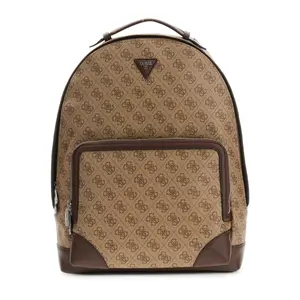

The capacity in litres directly translates to use: 10 L for the bare essentials, 20 to 30 L for a day of classes or office work, 40 L for a weekend without checked baggage, 50 L and above for trek and long trips.
The capacity of a backpack measures the useful volume of its main compartment, including pockets when specified by the manufacturer. It's the first criterion of choice, before brand and before colour, because it translates into the number of days of autonomy and carrying comfort.
What each backpack capacity really allows
A capacity is judged by what it holds when full, not by its figure.
- 10 litres: phone, water bottle, windbreaker. A short trip, a day out without meals.
- 20 litres: the typical day, a 13 or 14-inch laptop and a notebook.
- 30 litres: a busy week, folders and sportswear together.
- 40 litres: a weekend without checked baggage, a day hike.
- 50 litres: a trip of several days, the backpack that replaces a suitcase.
- 60 litres and more: the trek with sleeping gear.
Litres and travel backpacks, the threshold that changes everything
Beyond 40 litres, a backpack stops being an accessory and becomes luggage. It then requires a hip belt that shifts the weight to the hips, an adjustable back length, and a side opening to reach the bottom without emptying everything. Below this, these elements are unnecessary weight. The travel backpacks of 50 and 60 litres are therefore chosen as much for carrying comfort as for volume.
A backpack capacity suited to body size
The same capacity does not fit the same way depending on back size. A 30 litres on a short back rides above the shoulders and causes imbalance. Measure the back length, from the nape to the lower back, and compare it to the stated back length. It's the only figure that prevents a properly sized backpack from being uncomfortable.
The available backpack capacities