
Backpacks 60 L and above


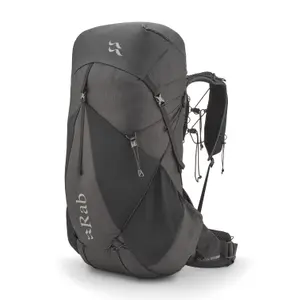


Beyond 60 litres, we move on from weekend hiking: expedition, self-sufficient camping, long-distance travel. Our category brings together large volume packs with internal frames and hip belts, designed for carrying loads over several days.
A 60-litre rucksack and above is designed for self-sufficient camping, expedition and long-term travel. At this volume, the frame and the hip belt transfer the bulk of the load onto the hips, making access to the bottom essential. This is also the size where the empty weight of the rucksack begins to weigh into the decision.
The 60-litre rucksack and carrying for multiple days
Comfort no longer comes from the straps but from the combination of frame and belt. A 60L rucksack is primarily chosen based on back size, and then on capacity. A poorly sized 60-litre hiking rucksack in back length remains uncomfortable regardless of strap adjustments. Osprey and VAUDE build their larger volumes across several back sizes, which is the first criterion to check.
Opening, water pocket and access to the bottom of the rucksack
Large volumes load from the top, under a flap, making access to the bottom impossible without a second zip. Three features should be checked before purchase.
- The lower access zip, or sleeping bag compartment, with its removable divider.
- The pipe outlet and the internal housing for the water pocket.
- The external attachments for tent, mattress and spikes, and their actual sturdiness.
Do you really need a 60L rucksack or more?
A 60-litre rucksack that is filled just because there’s space quickly becomes unmanageable. An ultra-light 60-litre rucksack does exist, but it eliminates the frame and is only beneficial if the load remains contained. The right approach is to start with the equipment actually taken, and then choose the capacity, never the other way around. We do not indicate maximum weight or recommended load, as these values depend on the model and the carrier.