Types of school bags
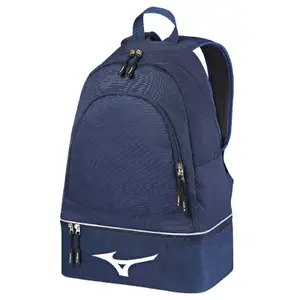
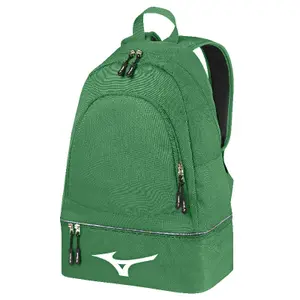
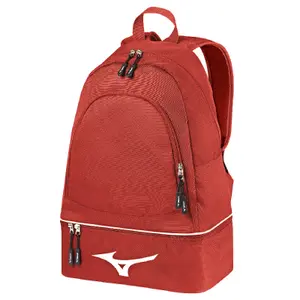


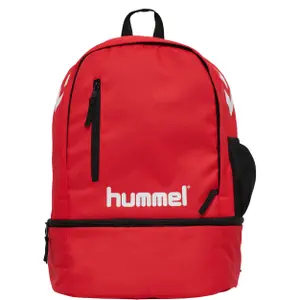


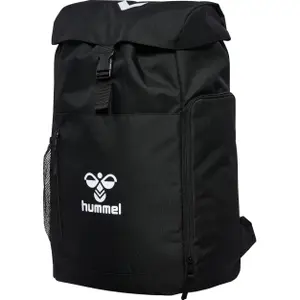
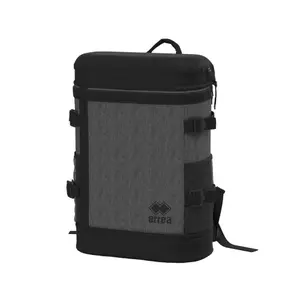


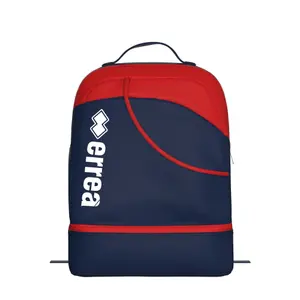
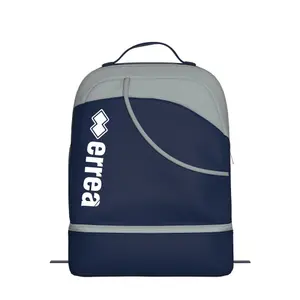


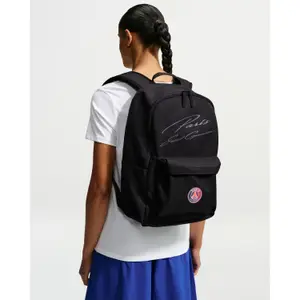


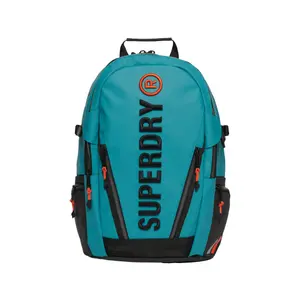


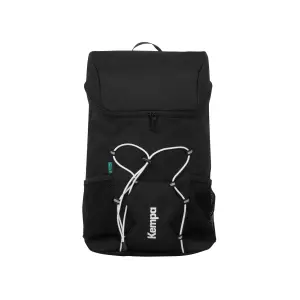


Hard-shell school bag, soft backpack or pencil case: each type of school bag corresponds to an age and a quantity of items. The empty weight and A4 size are more often decisive than the design.
A school bag is chosen based on three measurable criteria: the empty weight, compatibility with A4 rigid format, and back support. The design matters to the child, but it doesn't affect the duration over the year.
School bags and backpacks, two approaches
School bags maintain a rigid structure that protects notebooks and stands on its own. They are heavier when empty. A school backpack, which is softer, weighs less and can be stored more easily, but it allows things to get squished. The rigidity is helpful as long as the child carries large-format notebooks.
Pencil cases and small storage
Pencil cases come in two formats: the simple pencil case, which holds writing tools, and the flap pencil case, which stores coloured pencils and flat markers. The latter takes up more space in the bag but prevents everything from spilling onto the table. Check the zip closure; it's the only point that breaks.
Choosing a type of school bag based on weight
The Ministry of National Education recommends that the bag should not exceed 10% of the child's weight. A bag that already weighs a kilo when empty uses up this allowance before it’s even filled. For the same design, compare the stated empty weight: it's the figure that really makes a difference in the day.
Types of school bags and backpacks
- School backpacks
- Pencil cases
- School bags