School bags: satchels, backpacks and pencil cases from nursery to secondary school
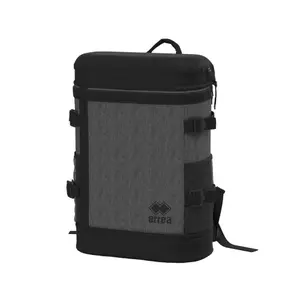
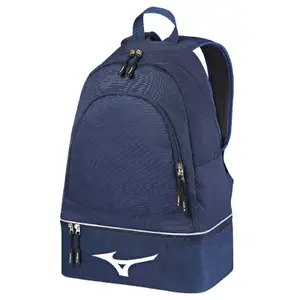
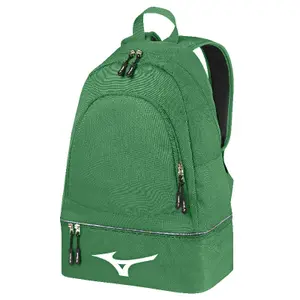
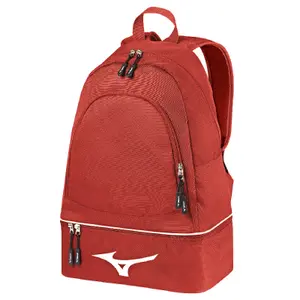


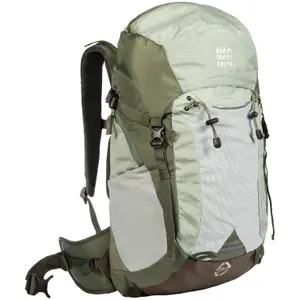

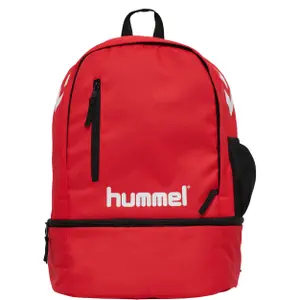
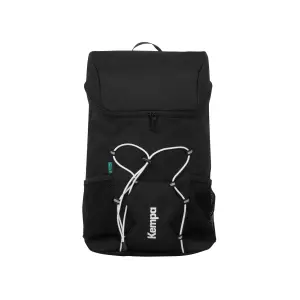


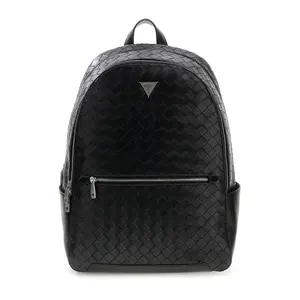


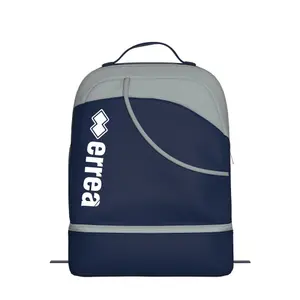


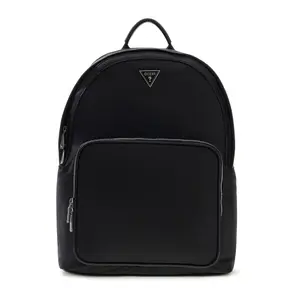
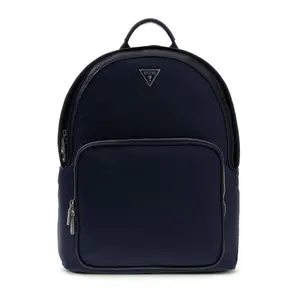

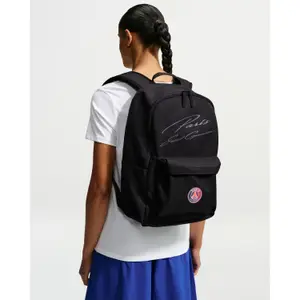
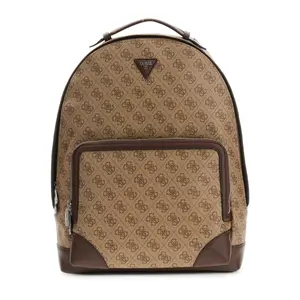
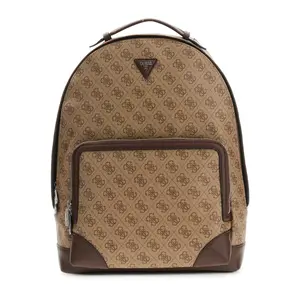


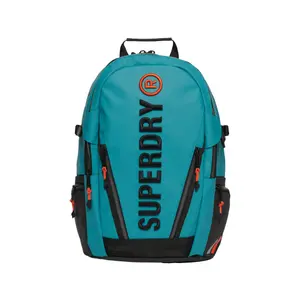

Schoolbags, backpacks, and pencil cases for back to school, from nursery to high school: Eastpak, Tann's, Oberthur, Kipling, Safta, Karactermania. Wheeled models, two compartments, and licences for Stitch, Pokémon or Spiderman.
In nursery, a small soft backpack is enough: it carries a snack, a change of clothes, and a comfort object, nothing more. In Year 1, the school bag takes over to hold the large 24x32 cm notebook. The Ministry of Education recommends that a school bag should not exceed 10% of the child's weight.
Choosing a school bag from nursery to high school
A school bag is chosen based on the class level, not the age displayed on the shelf. From Year 1, notebooks arrive, and the school bag must be wide enough to lay the large 24x32 cm notebook flat without bending the corners. In secondary school, the rigid bag is replaced by a backpack, which has more space and a pocket for a laptop. A school backpack for secondary school is often kept until high school, provided it has a padded back and wide straps.
- Nursery: soft backpack with a single pocket, carried on the back and not by hand.
- Year 1 and Year 2: wide school bag, compatible with a 24x32 cm notebook laid flat.
- Year 3 to Year 6: two compartments, reinforced base, adjustable straps.
- Secondary school and high school: large capacity backpack, laptop pocket.
School bag weight: the 10% rule
This is the criterion that nobody dares to quantify. The Ministry of Education states that a school bag is appropriate for the student's education level, age, and build, and that it does not exceed 10% of the child's weight (education.gouv.fr, page updated on 10 April 2025, consulted on 3 September 2026). For a child weighing 25 kg, the maximum weight is therefore 2.5 kg, including contents. The empty weight counts just as much as the space. Then adjust the straps so that the base rests in the small of the back and store heavy textbooks against the back.
Wheeled bags or school backpacks for primary school
Wheels are useful when the journey is long, flat, and without stairs and the load is genuinely heavy, so rarely before Year 3. Otherwise, they can be a nuisance. The bag weighs more when empty, it is hard to carry up stairs, and some schools refuse them for this reason, which should be checked with the school before purchasing. In nursery and Year 1, carrying it on the back remains the best choice. If you do choose wheels, pick a model that can also be worn on the back.
Pencil cases, licenses, and colours for school supplies
The pencil case referred to here is the one for pens, not the toiletry case. A flat single-compartment case is sufficient from Year 1 to Year 2. From Year 3, a double compartment separates writing utensils from markers and the ruler, preventing everything from being spilled on the table. In terms of designs, demand is driven by licenses: Stitch, Pokémon, Spiderman, and Frozen appear on both backpacks and pencil cases, from Safta, Karactermania, and Loungefly. The school bags, however, remain simple. From one school bag to another, the difference lies in the design and colour, never the back, straps, or space.
Brands of school bags and backpacks
French specialists in school bags, Tann's and Oberthur, dominate the primary market with thick fabrics and reinforced seams. Eastpak backpacks and Kipling take over in secondary school and high school, with matching pencil cases. Safta, Karactermania, and Loungefly cover licenses, while adidas and Nike cater to dual usage for classes and training. A back-to-school bag is primarily judged by the child's back, then the label: look for a padded back, adjustable straps, a stable base, and a fastening that a six-year-old can close by themselves. A well-chosen school bag lasts two or three years, not just a single school year.
Supplies follow the bag: a Harry Potter pencil case or a two-compartment pencil case should be chosen based on the number of pens to fit, not the design.
Our school bags and backpacks by category
- Types
- Level