School bags by level
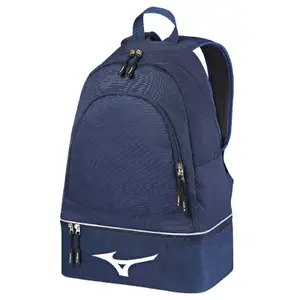
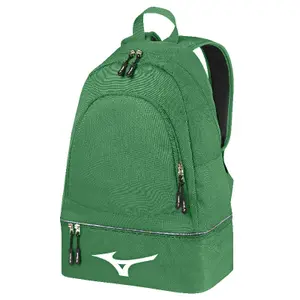
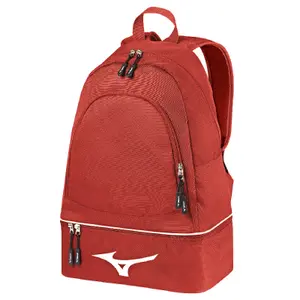


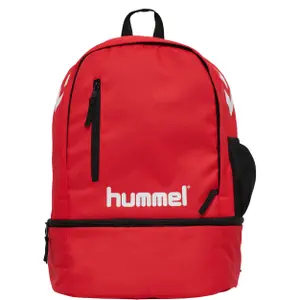


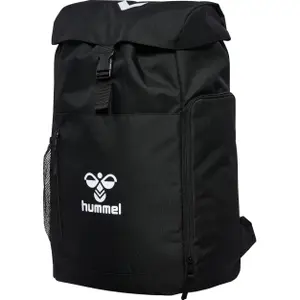
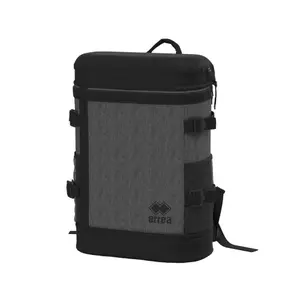


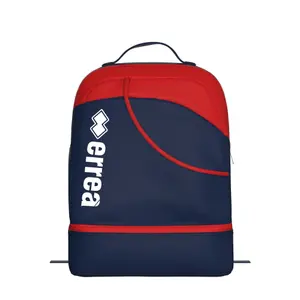
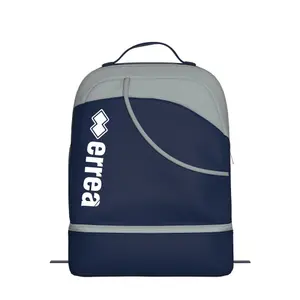


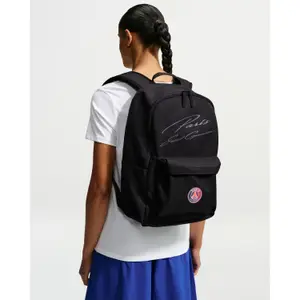


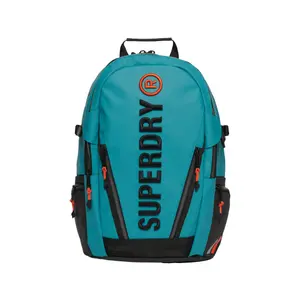


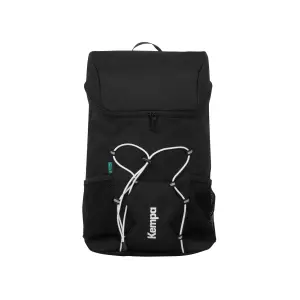


From nursery to high school, the school bag changes in size and purpose: a small snack bag, a rigid A4 backpack, then a rucksack capable of fitting textbooks and a laptop.
The right school bag is not the same at three years old and sixteen. The volume doubles, the size of notebooks changes, and back support becomes a concern once the load exceeds a few kilos. Each stage requires a different approach.
Kindergarten bags and the first level
In kindergarten, a small bag of five to ten litres is enough: it carries a snack, a change of clothes, and a comfort toy. The child must be able to open and close it on their own, which rules out hard closures and complex buckles. The empty weight matters more than the volume.
Primary school satchels, A4 format
From primary school onward, the rigid A4 format becomes the requirement. The school satchels for this level must fit it without bending the corners, with Padded straps and a chest strap to keep the bag from tipping over. This is also the age where wheeled designs make sense for long journeys.
Backpacks for secondary school and sixth form
In secondary school and sixth form, the school backpack increases to twenty or thirty litres and needs to hold textbooks, folders, and often a laptop. Look for a padded compartment, a ventilated back, and a closure that opens wide. The school bags at this level wear out at the seams where the straps attach: that’s where you should check for reinforcements.
School bags by level from our category