
Preschool backpacks, from nursery to reception class
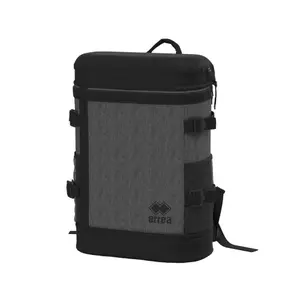
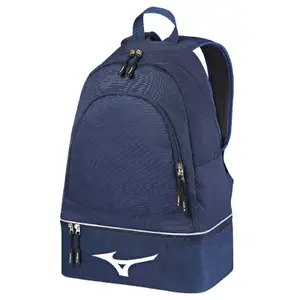
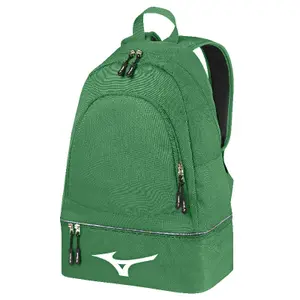
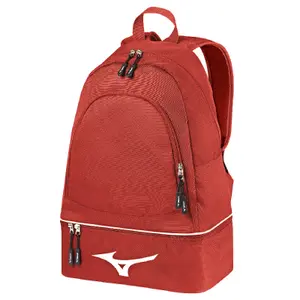


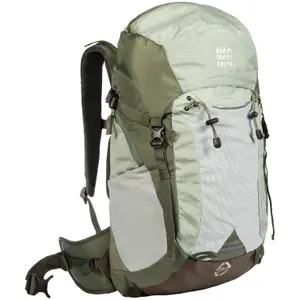

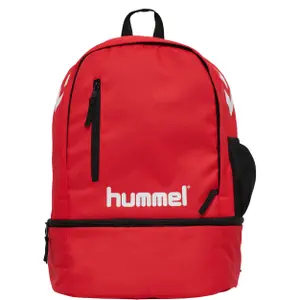
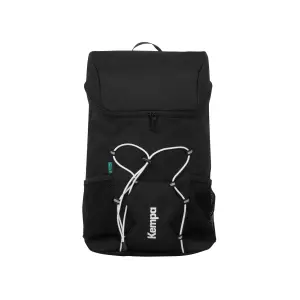


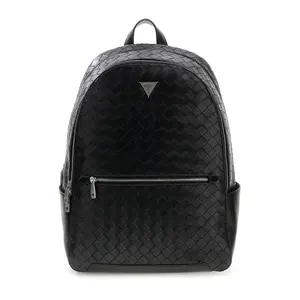


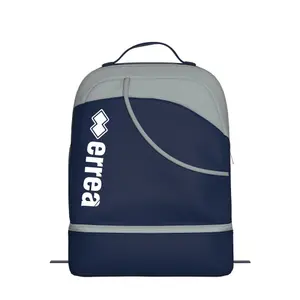


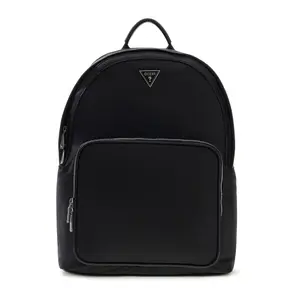
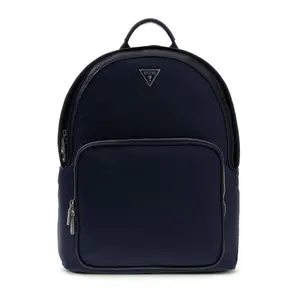

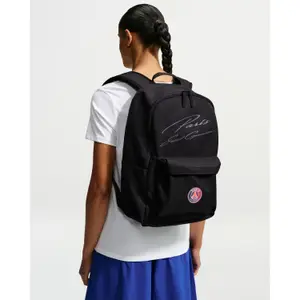
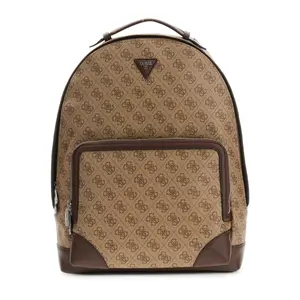


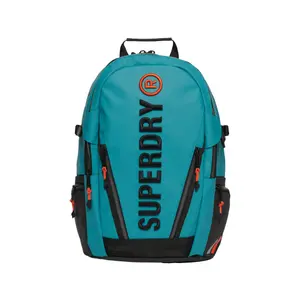

Our kindergarten backpacks category brings together small sizes from nursery to reception: lightweight, easy-to-open closures for children, adjustable straps, soft backpacks, and wheeled versions.
A preschool bag is primarily for carrying a cuddly toy, a water bottle, a change of clothes, and the communication book. Three criteria set it apart from a primary school bag: an extremely light empty weight, a closure that can be operated by the child alone, and a soft back. Our preschool bags range from small to large sections.
What a preschool bag carries in the small section
In the small section, a preschool bag carries a cuddly toy, a water bottle, a complete change, and the communication book, rarely anything else. The volume is therefore less important than the shape: a wide opening that reveals the bottom, a Velcro closure or clip that the child can manage on their own, and straps that don’t slip off the shoulders. A embroidered name or a clearly visible label avoids mix-ups on the coat rack, where fifteen bags look alike.
Wheeled preschool bags or carried on the back
A wheeled preschool bag reassures parents, but at three years old, the child doesn’t pull it straight, the telescopic handle is too high, and any stairs send it back into the arms of an adult. The bag carried on the back remains the simplest solution until the middle section, provided nothing unnecessary is put in it for the day. Wheeled versions become meaningful in the large section, when the writing book and the first binders come into play.
Choosing a preschool bag based on the design and back
The design is the main factor at this age, and it’s the child who decides. A preschool bag is chosen mainly based on the design, and our selection is limited at this age. The back and straps don’t change from one model to another. The only useful guideline is duration: the same bag generally lasts for two or three consecutive years, and a cartoon print goes out of fashion before the fabric wears out.
- The empty weight: the first criterion for preschool bags, well before the volume
- The closure: Velcro, clip, or big zipper, open and closed without adult help
- The marking: visible name, for the coat rack and lost items
A preschool bag with a design or a plain model follows the same rule: at this age, the bag must not exceed the width of the shoulders.