
Satchels


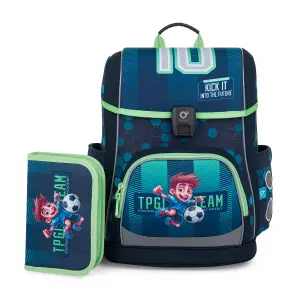
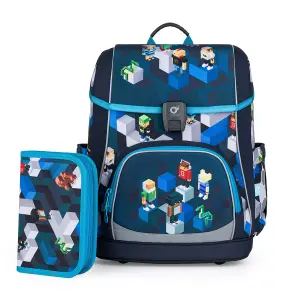
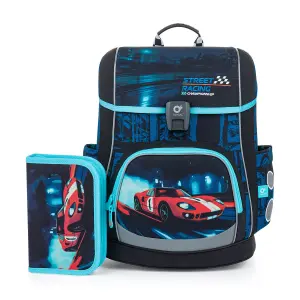
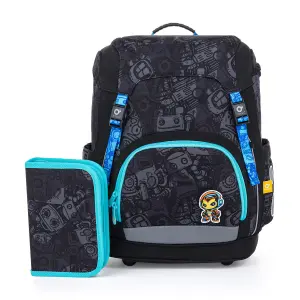
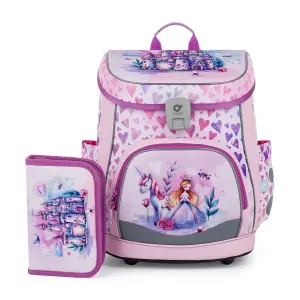
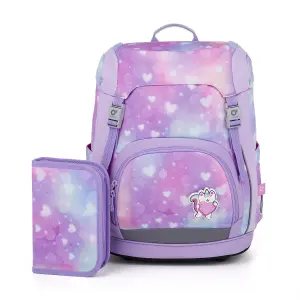
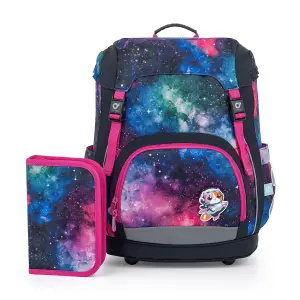
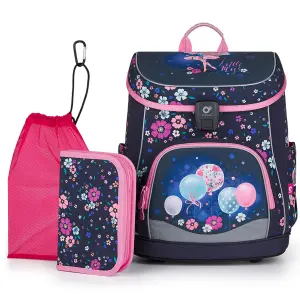
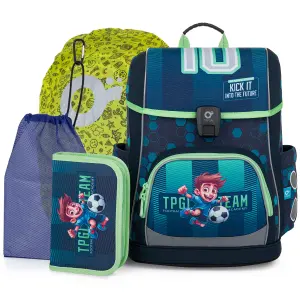
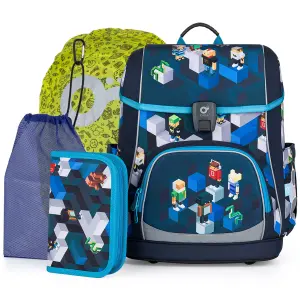
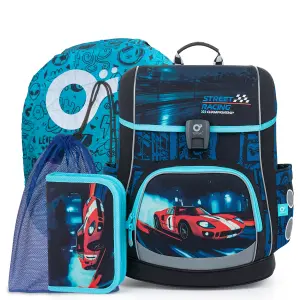
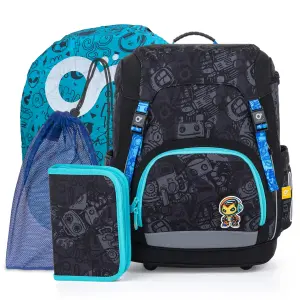
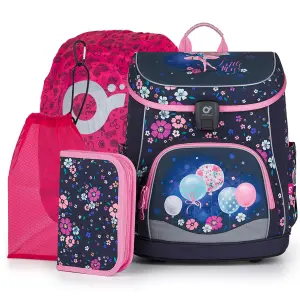
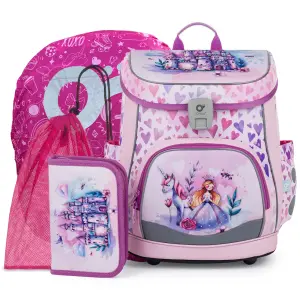
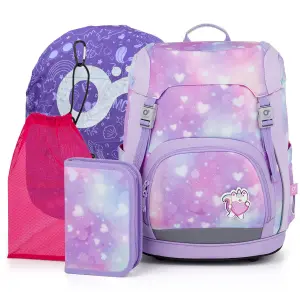
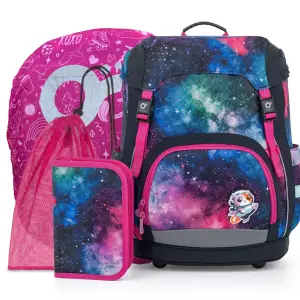
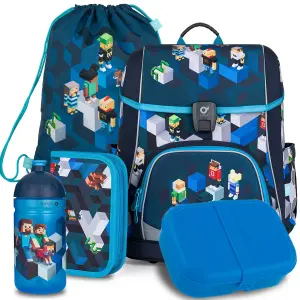
The school bag keeps the A4 format nice and flat and stands upright at the foot of the desk. Our category brings together the rigid structures for primary school, lighter soft models, and roller versions for the longer walks.
School bags are different from backpacks in their structure: they have a reinforced base, a flap opening, and a design that fits A4, keeping flat instead of curling. They are primarily aimed at primary school students, where exercise books are carried every evening and the bag is often placed directly on the ground in the yard.
Choosing a school bag for Year 1 and primary school
The rule is simple: the school bag must cover the back without extending over the shoulders or the lower back. The width of the shoulders provides the right measurement, as it keeps the load centred and the torso upright. School bags with a single pocket are suitable for younger classes, while a second compartment becomes useful when files are added to the exercise books. The A4 format remains the common benchmark: if a display folder has to bend to fit inside, the bag is too small.
Hard or soft bags, how structure makes a difference
Hard bags stand up on their own, protect plastic pockets and can be placed anywhere without damage, albeit with a slight weight increase. The soft model adapts to its contents, is lighter when empty, but allows exercise books to curl if filled halfway. The reinforced base is the true point of control: it's what withstands repeated placing in the yard and on tiled surfaces. Compare bags under the same load, with the exercise books from the year inside, not empty on a shelf: it’s when loaded that a soft bag sags and a poorly stitched strap shows.
The wheeled bag eases back strain at school
Wheeled bags transfer weight to the ground during long journeys and on days with textbooks. Two considerations before choosing: they still need to be carried by hand up stairs, and their empty weight exceeds that of a standard model. Make sure the telescopic handle locks at the child's height and that the wheels are wide, as gravels in the yard can damage small wheels.