
Types of suitcases


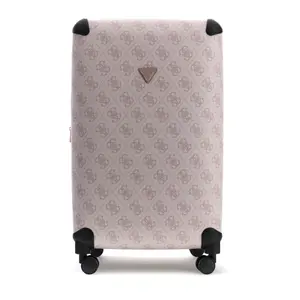


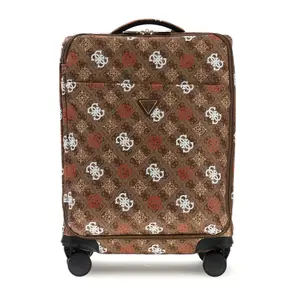


Hard shell or soft fabric, two or four wheels, cabin or hold: each type of suitcase strikes a different balance between content protection, empty weight, and usable volume.
The choice of suitcase type involves three trade-offs: the protection of contents against empty weight, maneuverability against stability, and the advertised volume against the actual usable volume once lining and wheels are deducted.
Hard cases and soft cases, the real trade-off
A hard shell offers better protection for fragile items and can be wiped clean quickly, but it doesn't tolerate overpacking and can get scratched. A soft case can handle an overfilled bag, fits into a low cupboard, and generally weighs less when empty, at the cost of less protection. The empty weight directly affects the usable kilos when the airline charges by weight.
Types of wheeled suitcases, two or four
Two wheels are pulled at an angle and handle curbs and cobblestones better. Four swivel wheels can be pushed alongside you effortlessly on a smooth surface, but they can roll away by themselves when the surface slopes. For wheeled suitcases, ask whether the wheels are screwed or riveted: a replaceable wheel prevents having to discard the entire suitcase.
Choosing a suitcase type for cabin or hold
A cabin suitcase is chosen primarily for its dimensions, including wheels and handles, as a rejected size at the boarding gate costs more than the savings made at purchase. A hold baggage is selected based on capacity and empty weight. Both considerations are different, and a single suitcase rarely meets both requirements well.