Leather goods brands
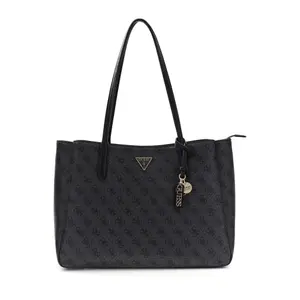
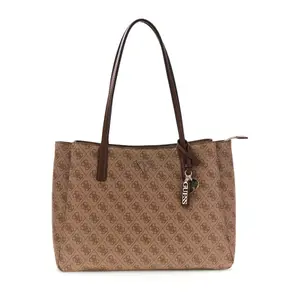


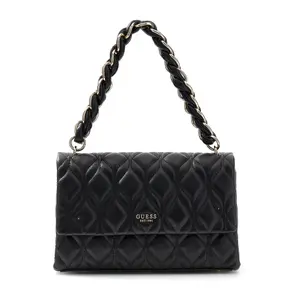
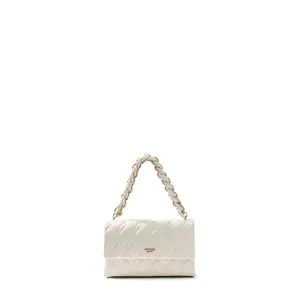
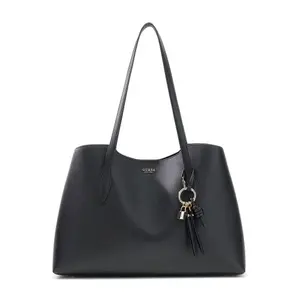


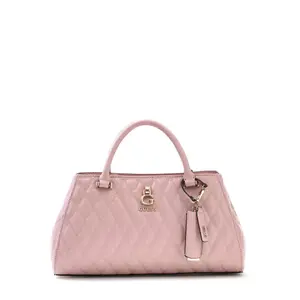
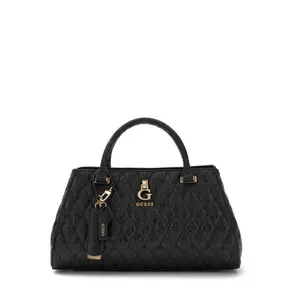


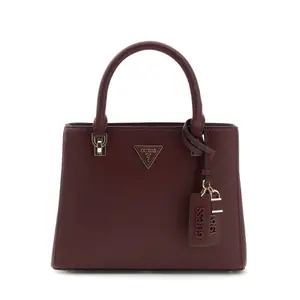
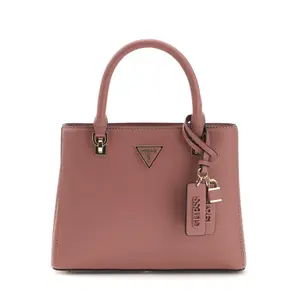
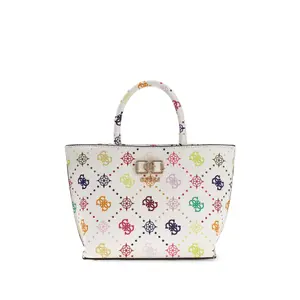
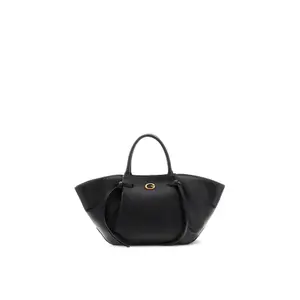
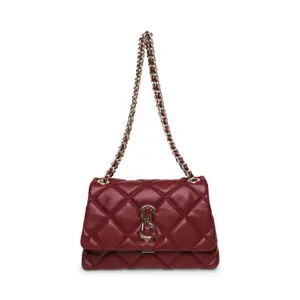


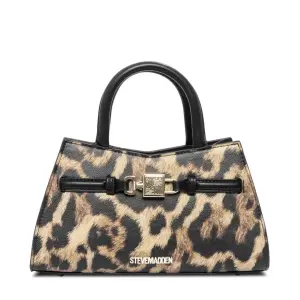
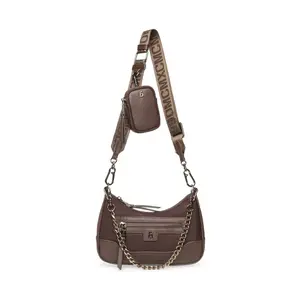
A leather goods brand is judged by the type of leather, the finish of the edges, and the lining, not by its name. These three points are visible and determine the lifespan of the bag.
Leather goods brands can be compared on three observable elements before purchase: the type of leather, the finish of the edges, and the lining. The rest, such as brand reputation and price, says nothing about the item's lifespan.
What sets leather goods brands apart at a glance
Full-grain leather retains the original surface of the skin and develops a patina; split leather, sanded and then coated, will flake over time. Painted and polished edges hold up better than a raw edge. A sewn textile lining is better than a glued lining. These three signs distinguish leather goods brands more reliably than a logo.
Luxury leather goods brands and alternatives
Luxury leather goods brands charge for the material but also for the service: repairs, lining replacement, recolouring. It's this service that justifies the price difference, not the leather alone. On the contrary, an affordable brand that sells spare parts offers the same service for less. The question to ask is always the same: what happens when the zip breaks?
Women’s leather goods brands and unisex models
For women's leather goods brands, the range focuses on handbags and smaller leather goods that match. In unisex models, the offerings tend towards bags, flat wallets, and bum bags. Many leather goods brands cover both: don't limit yourself to one section, compare first on material and warranty.
The leather goods brands in our category