
Women's Handbags


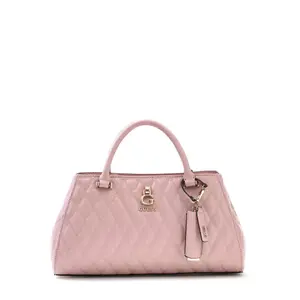
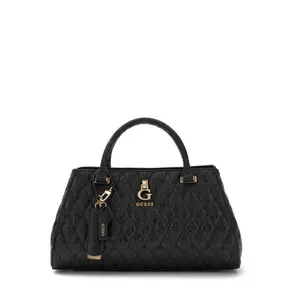


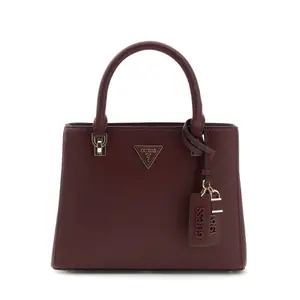
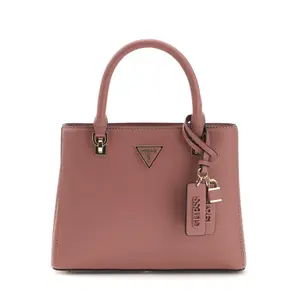
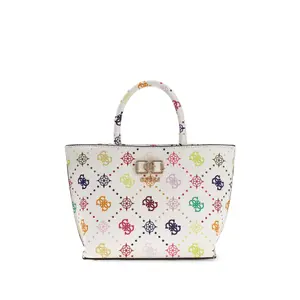
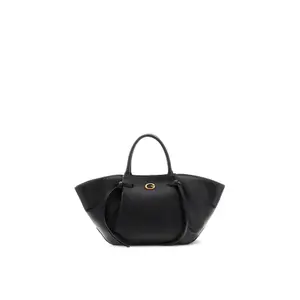
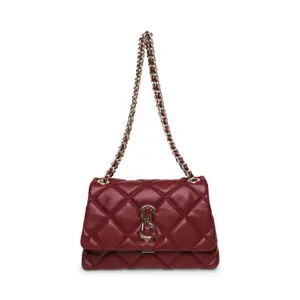


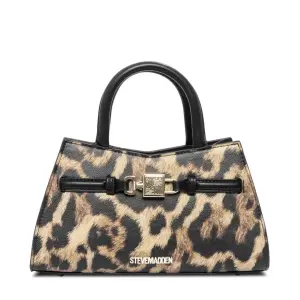

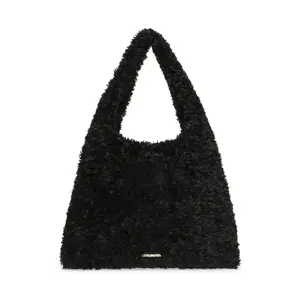
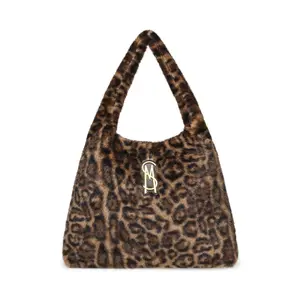
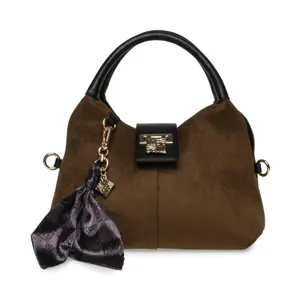
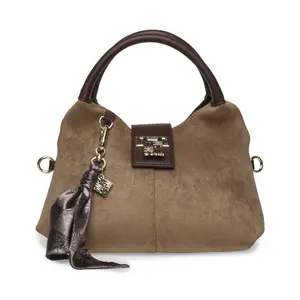

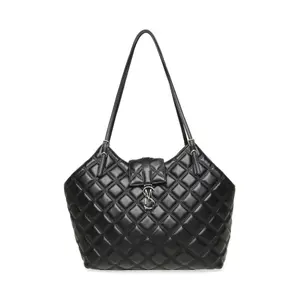
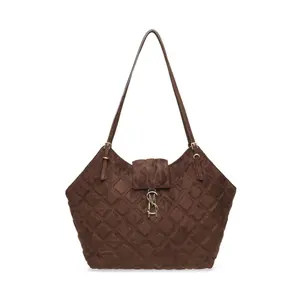
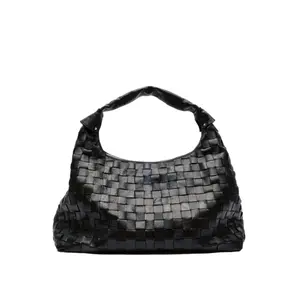

A handbag is chosen based on three points: the volume you actually need, the way you carry it, and the type of opening. A structured trapezoid, a soft tote, or a flat messenger bag, each shape suits a typical day and its contents.
A handbag is chosen based on three points: the useful volume, the carrying method, and the type of opening. A structured trapezoid stands upright and protects its contents, a soft tote absorbs surprises, and a flat messenger bag is enough for a wallet and a phone. The removable handle allows you to switch from hand-held to shoulder carry in one motion.
Choosing a handbag for women based on its use
A day at the office and an evening out require different volumes. Handbags with a trapezoid shape maintain their structure when set down on the floor and separate belongings into two compartments. For a short outing, small flat handbags can fit under the arm without weighing you down. Consider what you’re really carrying, such as a planner, a pencil case, and a water bottle, before settling on a size; a bag that's too big fills up by itself and becomes heavy.
Affordable handbags without sacrificing quality
A low price doesn’t mean poor quality; it just shifts which aspects to check. For affordable handbags, first check the zip, its slider, and pull tab, then the stitches on the handle attachments, the two places that tend to fail first. A sewn lining is better than a glued one, and a flat bottom with metallic feet keeps the bag clean. Coated synthetic material holds up well if it’s thick and soft to the touch.
Leather, canvas, and synthetic for a handbag
Calf leather ages beautifully and can be repaired, lambskin stays supple but can mark easily, while coated synthetic is water-resistant and cleans up quickly. Women’s handbags in woven canvas dominate in summer, while structured models in grained leather last all year round. One last tip before deciding, open and close several times the handbags that catch your eye; an unpleasant zipper on the first try will likely remain so.