
Waterproof and water-resistant backpacks
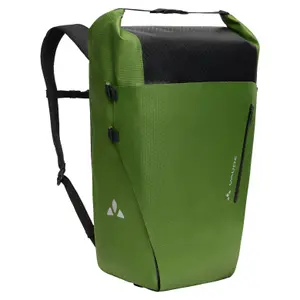
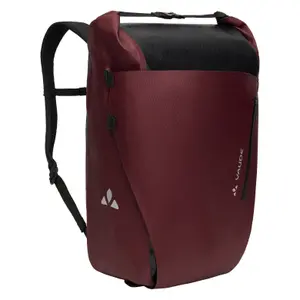


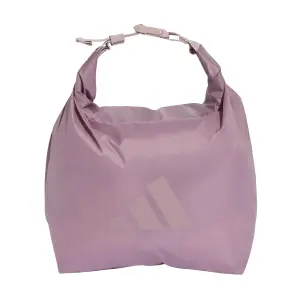

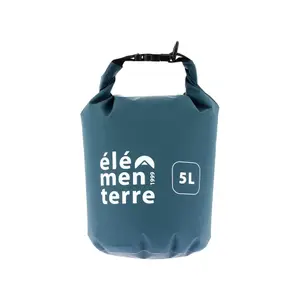


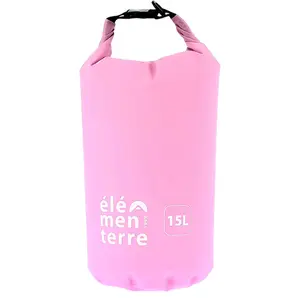
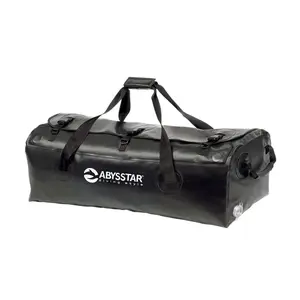
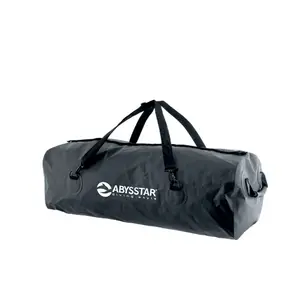
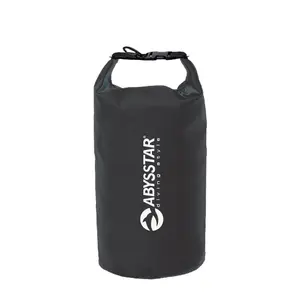


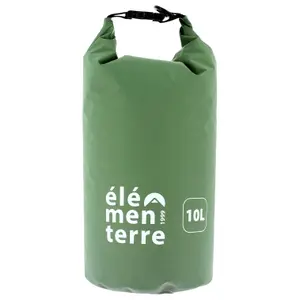


A waterproof backpack stops the rain, a truly waterproof bag can handle splashes and short immersion. Coated fabric, welded seams, roll-top closure: this is how to read a product sheet before making your choice.
A backpack that is waterproof protects its contents from rain and splashes, while a truly watertight model can handle prolonged exposure to water or even short immersion, thanks to coated fabric, welded seams, and a roll-top closure. The first is enough in the city, while the second is essential for cycling, kayaking, or hiking.
Waterproof backpacks and water-resistant backpacks, the difference
A water-repellent treatment causes water to bead on the surface of the fabric, but it gives way when the rain lasts or when the fabric rubs against a jacket. Waterproof backpacks rely on something else, a coated fabric made of PVC or TPU, thermally welded seams instead of stitched ones, and a flap that rolls multiple times on itself before clipping. The difference is noticeable at the closure well before it is seen on the label.
Choosing a backpack that is waterproof according to the activity
When cycling or motorcycling, a waterproof backpack should have a rigid back and compression straps to keep the load stable during braking. For hiking, the rain cover provided with some models protects the outside but leaves the back exposed, making the welded backpack safer when it rains for several days in a row. For fast water and boating, look for a roll-top closure and an internal pocket for your phone.
Caring for a backpack that is waterproof and its closure
Rinse with clean water after use at sea and leave it to dry open, in the shade, as coated fabric does not breathe and retains odours. Welded seams cannot be resewn; they can be repaired with an adhesive suited for the material of the backpack. For zippered models, a bit of wax on the zipper keeps the watertight closure flexible; otherwise, it hardens and may end up closing poorly.